
Rebuild It Back,or Build It Better?
The claim restores what you had. This guide is about the smarter question: if you are going to put money on top, where does it actually work? A category-by-category look at where upgrade dollars earn their keep during a restoration, and where they quietly evaporate.
Kitchens
Highest impact
The most-used and most-seen room in the house, and the one buyers and guests judge first. If the claim opened the kitchen, the increment for a meaningfully better layout, counters, and cabinet fronts is the best-spent money on the project.
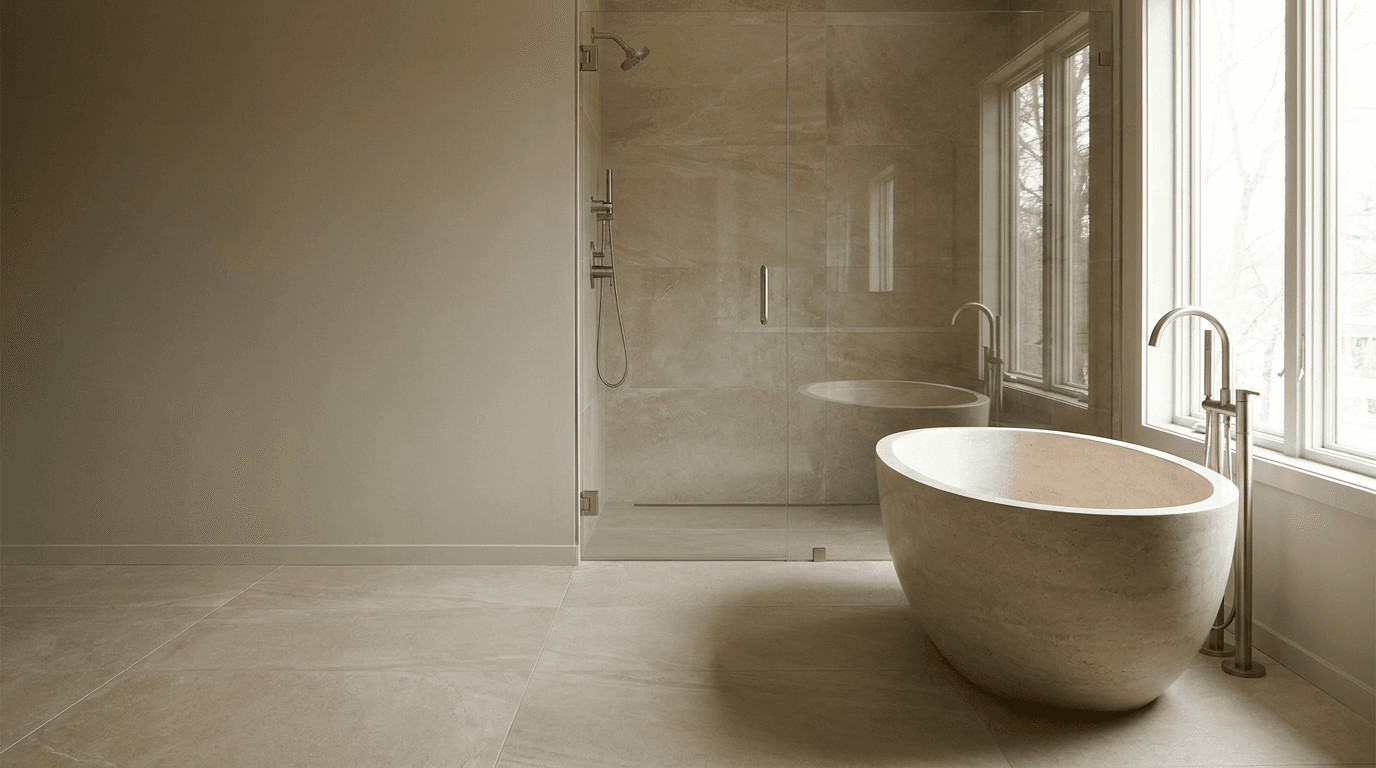
Bathrooms
Highest impact
Water losses hit bathrooms constantly, which means the tile, glass, and fixtures are often already in scope. Trade pricing on fixtures and the already-funded waterproofing stage make a genuine step up affordable here.
Flooring
Strong impact
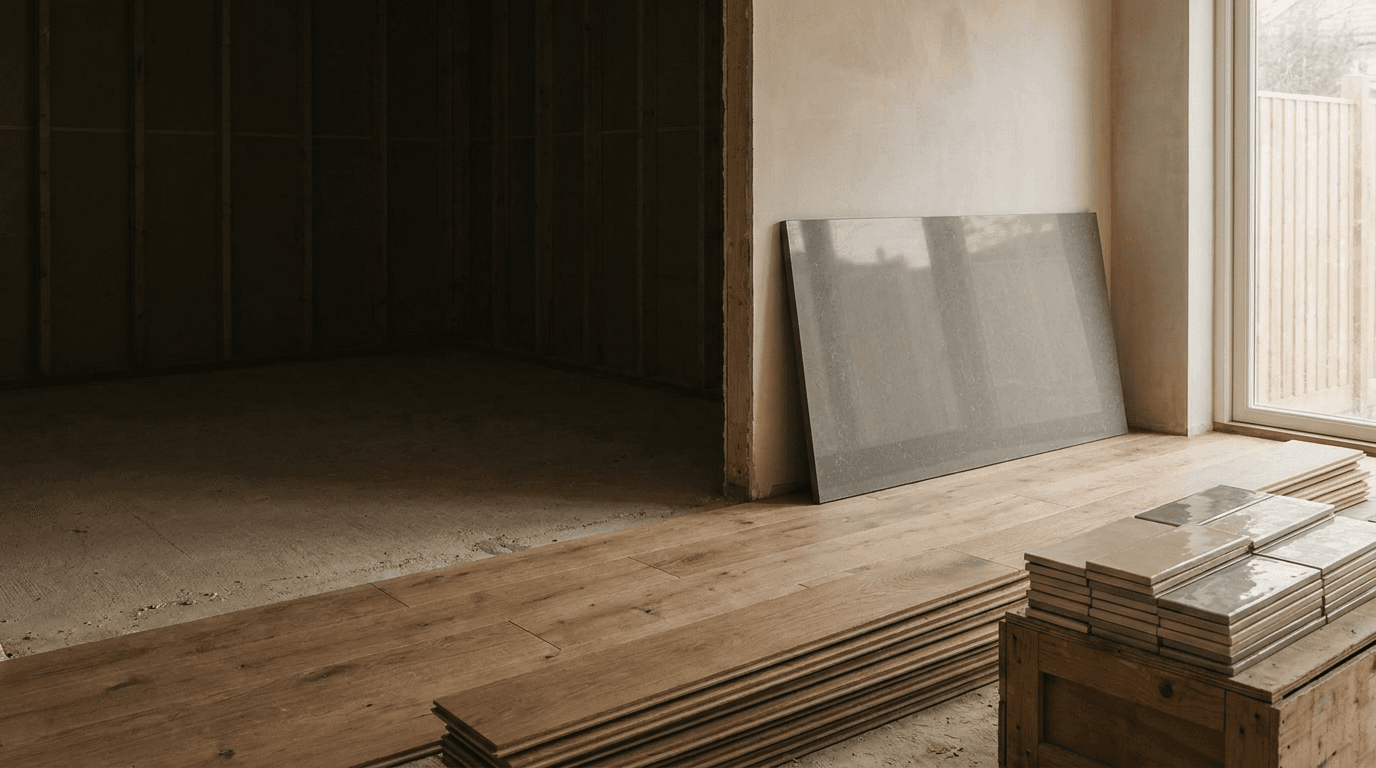
When flooring is being replaced anyway across connected spaces, upgrading the material is a per-square-metre delta, not a new project. It is also the upgrade that unifies everything else visually.
Lighting
Strong impact, small delta
Electrical rough-in is already happening. A designed lighting plan instead of a one-for-one fixture swap changes how every finished surface reads, for a fraction of the attention the other categories demand.
Insulation and sound separation
Invisible, permanent, cheap right now
The one upgrade that is only ever affordable while framing is exposed. Between bedrooms, around bathrooms, under floors: this is the last chance to buy quiet at open-wall prices.
Built-in storage and millwork
Strong impact
Closets, mudroom built-ins, a proper pantry. Carpentry is on site and finishing is already scheduled, which is precisely when custom storage stops being a luxury line item.
Paint, trim, and hardware
Small money, daily payoff
The cheapest category on the page and the one you touch every single day. Almost never worth skipping.
Rooms the claim never touched
The efficiency of upgrading during restoration comes from the opening already being paid for. In an undamaged room, there is no opening. Work there is a standalone renovation at standalone prices, and bundling it into the project timeline does not change the math, it just hides it.
Relocating plumbing without a reason
Moving a sink or toilet a metre for preference, not function, drags rough-in, slab or subfloor work, and inspection into what was a finish decision. If the layout works, spend on what you touch and see instead.
Over-speccing what no one experiences
There is a sensible version of upgrading hidden systems, covered in the previous guide, when a damaged system must be replaced anyway. Beyond that, premium spend buried in walls that neither comfort nor resale will ever register is budget taken from categories that would show it.
Chasing the trend of the year
A restoration is a long-horizon reset. Materials and colours at the peak of fashion date the fastest, which means paying a premium now for the thing most likely to feel tired first. Spend the premium on quality and proportion; they do not expire.
Stretching into betterment without a plan
Upgrades priced casually mid-project become change orders, and change orders during a restoration are the most expensive way to buy anything. Every upgrade on this page belongs in the scope stage, priced and decided before drawings close.
The insurer is obligated to rebuild the property you had. Whether that is the property you want to own for the next decade is a separate question, and it is yours.
Stage 1
When damage strikes
Stabilization, documentation, and understanding the rebuild ahead.
Stage 2
Weighing your options
The settlement decision and your rights during the claim.
You are here
Spending intelligently
You are here. Where the approved budget and your increment work hardest.
Stage 4
The starting point
The overview for the full insurance restoration service.
FAQ
Strategic Upgrade Questions, Answered
The Opening Is Already Paid For
Every restoration includes a brief window where better is unusually cheap, and it closes when the drawings do. A free scope review with GP maps your specific claim against the categories on this page: what the approved budget already covers, where a modest increment would work hardest, and what we would leave alone. Straight answers, real numbers, no obligation.