GP Contracting Group
Insurance Restoration Guide

Can You Upgrade During an Insurance Claim?

Yes, and the rebuild is often the cheapest moment you will ever have to do it. But the rules matter. Here is how upgrading during an insurance-funded restoration actually works in BC, for your home or your business.

What the Claim Pays For: Like Kind and Quality
Every property policy in BC makes the same core promise: restore the property to its pre-loss condition using materials of like kind and quality. Those five words decide almost every disagreement in a restoration.
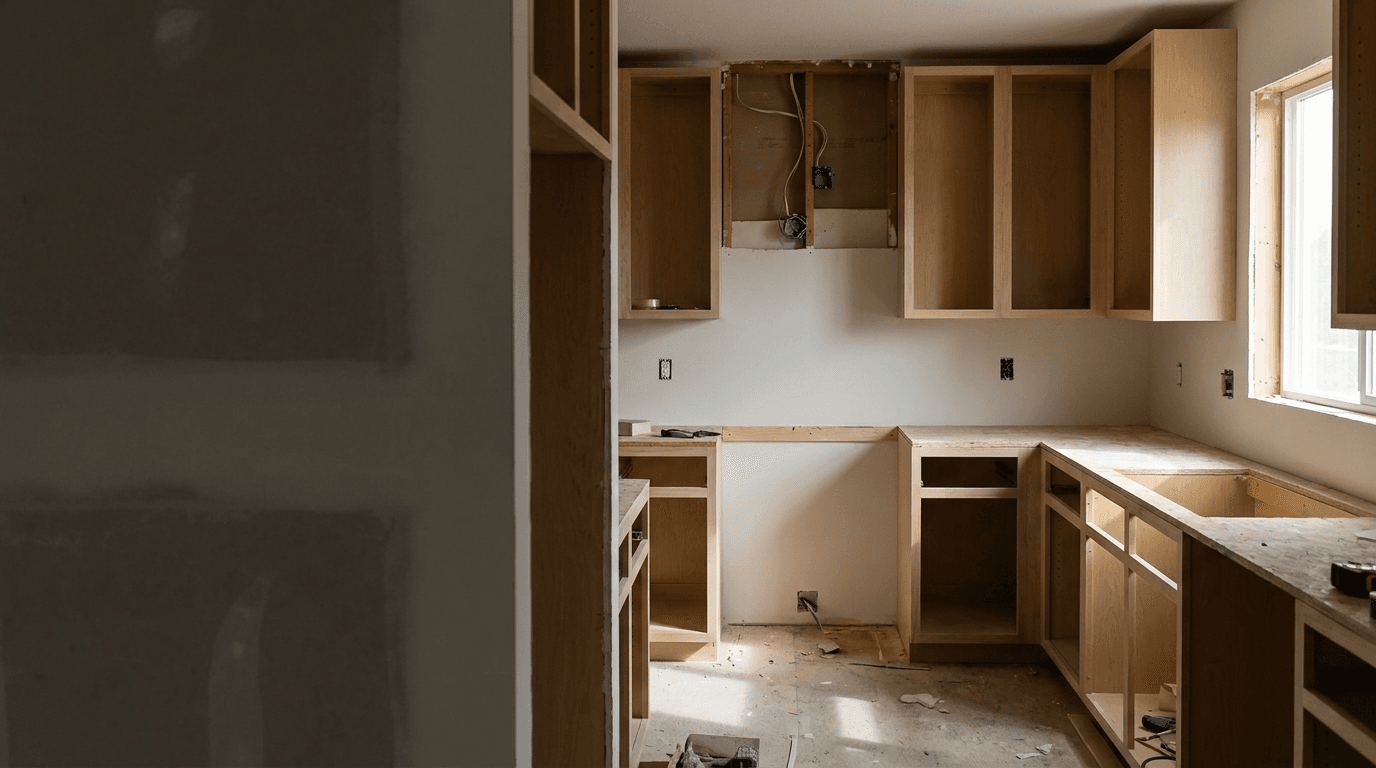
Pre-loss condition means what was actually there the day before the damage. If your kitchen had solid hardwood floors, the claim funds equivalent hardwood, not laminate. If your office had commercial-grade millwork, the claim funds commercial-grade millwork, not flat-pack shelving. The standard is equivalence to what existed, and holding the scope to that standard is half the value a good contractor brings, because the person documenting what was there is the person who decides whether "like kind" means what you had or what is cheapest to install.
The flip side of the promise is just as firm. Insurance restores. It does not improve. Anything that ends up better than pre-loss condition is called betterment, and betterment is yours to fund. That sounds limiting. In practice it leaves far more room than most owners expect, for three reasons.
Why "Restore Only" Still Leaves Room to Upgrade
  1. 01

    The budget buys work, not brands.

    The approved line item for your cabinets reflects what the insurer expects comparable cabinets to cost. Contractors buy at trade pricing, not retail, and have flexibility in where materials come from. When equivalent or better product can be sourced for the approved amount, you end up with a stronger finish at the same cost to the insurer. Nothing extra is charged, so no betterment is triggered.

  2. 02

    Open walls are already paid for.

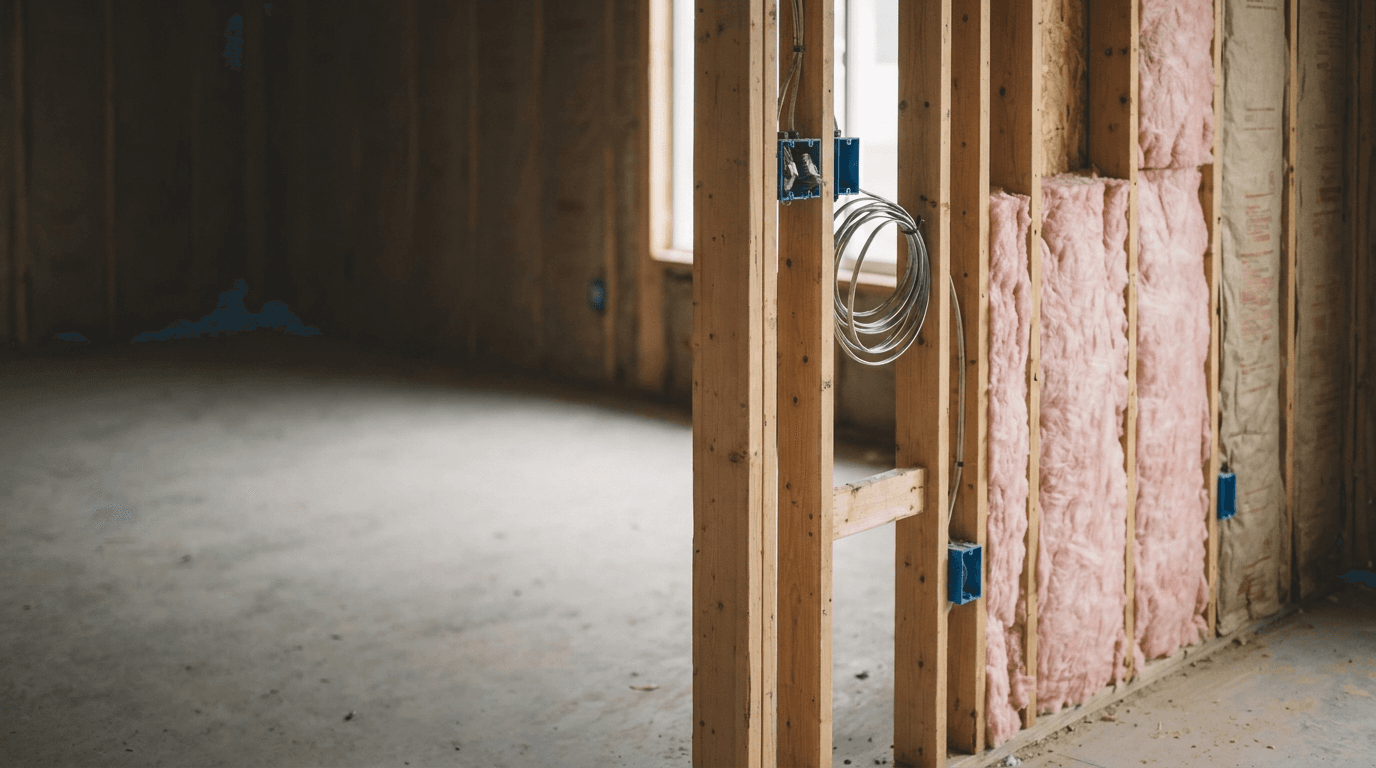
    Demolition, structural prep, and rough-in are the expensive stages of any renovation, and in a restoration the claim has already covered them. While walls are open, adding insulation, upgrading wiring, running data cable, roughing in for future fixtures, or improving sound separation between rooms costs a fraction of what the same work costs as a standalone project. The claim funds the rebuild. You fund only the small increment of doing it better while it is open.

  3. 03

    You can pay the difference.

    For a true upgrade, a changed layout, a finish that genuinely exceeds what was there, a system that did not exist before, you fund the delta between the approved restoration scope and the upgraded scope. Priced and documented as separate line items, the insurer's portion stays clean and uncontested while you get the result you actually want.

Three Ways Owners Actually Do This
    01

    Better within budget

    What it looks like

    The restoration scope as approved, with sourcing and trade pricing stretched to deliver the strongest finish the line items allow

    What you pay

    Nothing beyond your deductible

    02

    Targeted upgrades

    What it looks like

    The restoration scope plus specific improvements: a reworked kitchen, upgraded bathroom, insulation and wiring while walls are open

    What you pay

    Only the documented difference, itemized separately from the claim

    03

    Restore and renovate

    What it looks like

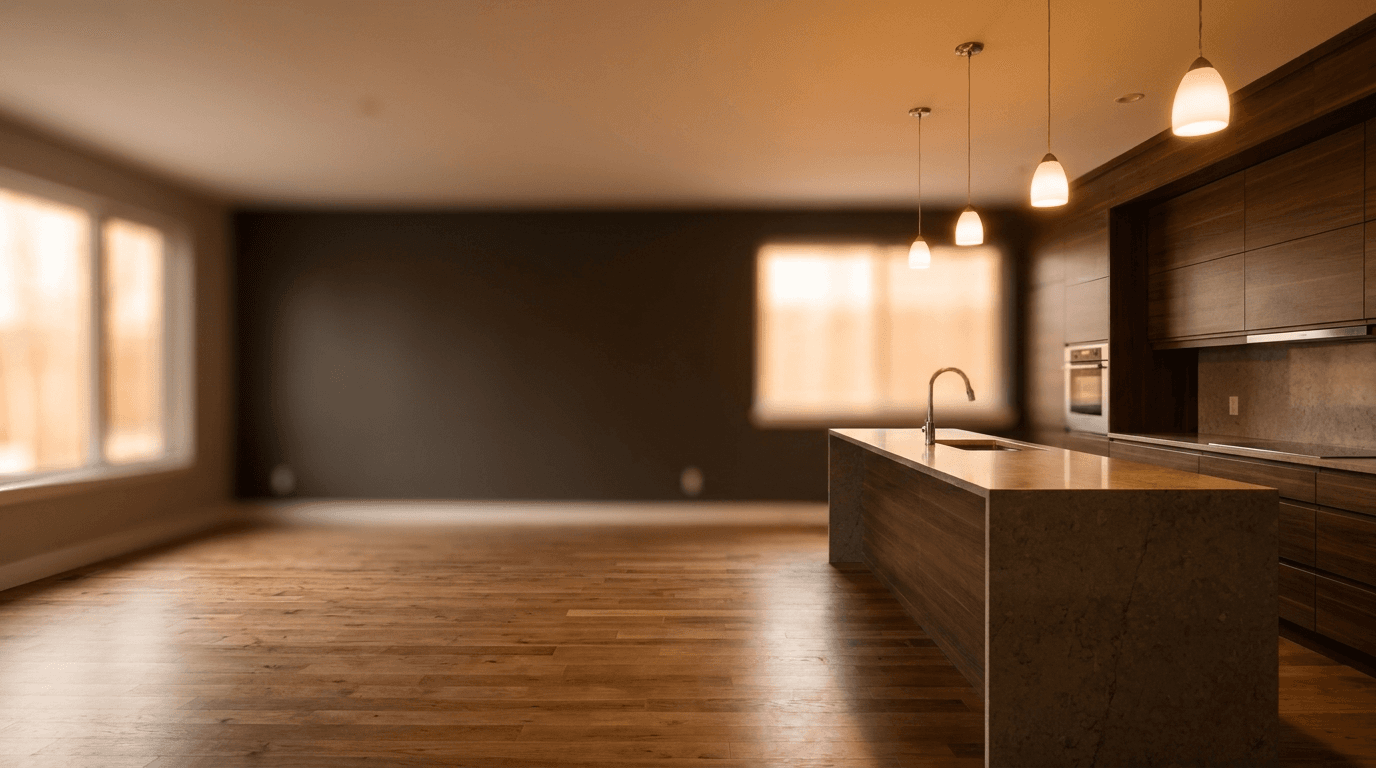
    The damage becomes the trigger for the renovation you were already considering. The claim covers what existed; you fund the redesign

    What you pay

    A real additional investment, run as one coordinated project

All three are routine when the claim is documented properly from the start. Which one fits depends on your budget, your appetite for a bigger project, and honestly, how much you liked the space before the damage.
What Upgrades Easily, and What Does Not

Easier, often within or near the approved budget:

  • Finish substitutions: a different cabinet style, upgraded countertop, better tile, provided the sourced cost stays inside the line item
  • Insulation and soundproofing added while framing is open
  • A properly designed lighting layout instead of a one-for-one fixture swap, since electrical rough-in is already happening
  • Fixture upgrades in bathrooms and kitchens, where trade pricing frequently covers a category jump
  • Paint, trim, and door hardware improvements, which are small deltas with outsized daily impact

Harder, requiring real planning and real money:

  • Moving walls. A layout change shifts the project from restoration into renovation, bringing permits, engineering, and time
  • Adding square footage. A claim never funds new footprint. An addition can run in parallel as its own scope, but it is its own project
  • Wholesale system replacements, new heating type, upgraded electrical service, replumbing. Usually betterment, though when a damaged system must be replaced anyway, the marginal cost of upgrading rather than matching can be surprisingly small
  • Major mechanical additions like radiant floors or central cooling, which have to be decided before the rebuild sequence locks
Decide Before the Drawings Are Final
Every path above shares one sequencing rule that outweighs the rest: upgrade decisions belong in the scope and design stage, before construction documents are finalized and trades are scheduled.
An upgrade decided during design is a line on a drawing. The same upgrade decided in week four of construction is a change order, with re-pricing, re-sequencing, idle trades, and sometimes physical rework. The cost multiplies, and some options simply close once the rebuild is underway. If any part of you is wondering whether to improve while rebuilding, raise it at the scope review. Exploring it costs nothing. Discovering it too late costs plenty.

The claim already paid for the demolition. The question is whether you decide what to do with that opening before the drawings close, or after.
Upgrading a Commercial Space During a Claim
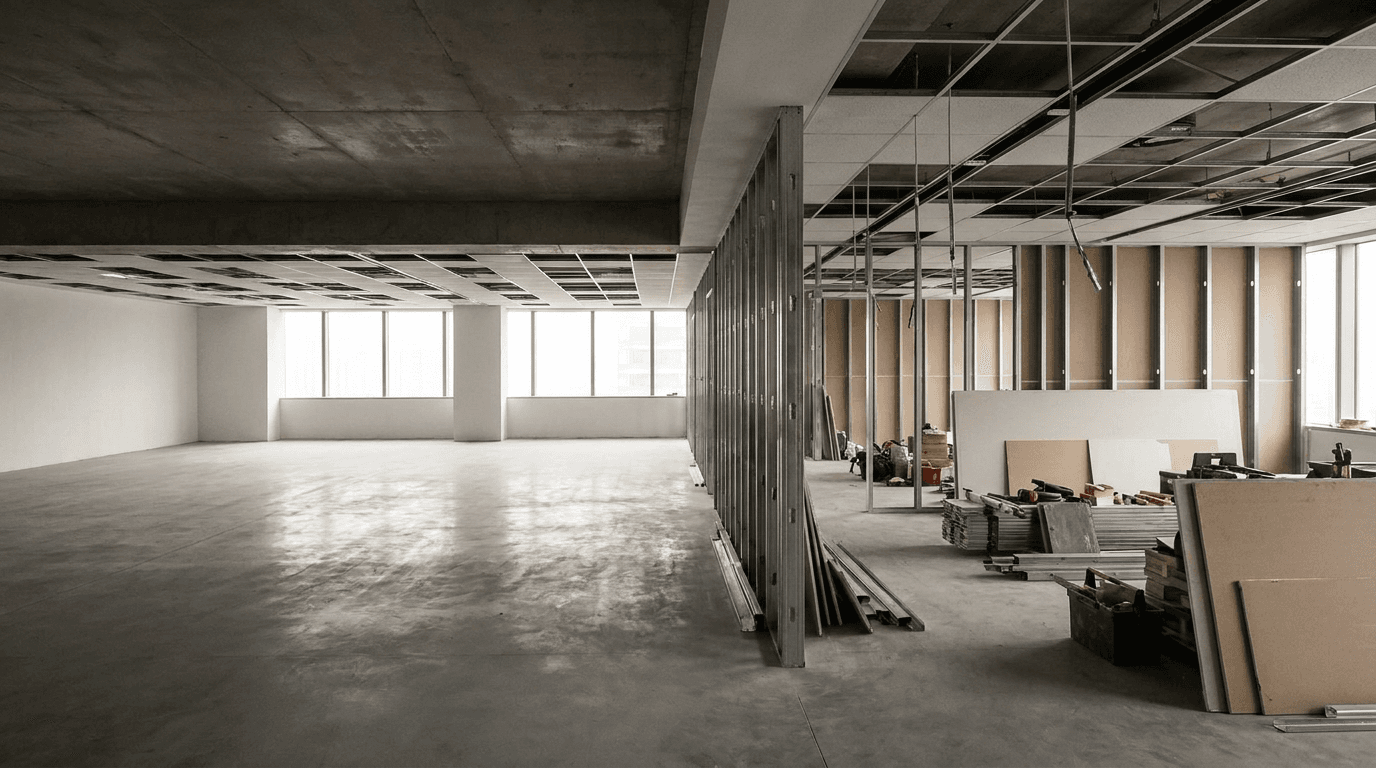
For business owners, the logic gets stronger, not weaker. A damaged commercial space is already closed or partially closed, which means the most expensive part of any commercial renovation, the downtime, is already being spent. Rebuilding the space exactly as it was and then closing again in two years for the improvements you already know you want is paying for that downtime twice.
The same restoration window can absorb the tenant improvement work you have been deferring: a reworked floor plan, updated finishes that match where the brand is going, better lighting, improved accessibility. The claim funds restoration to pre-loss condition; you fund the improvement delta, itemized separately, exactly as in a residential claim.
Two commercial-specific cautions. In leased space, the line between the landlord's building policy and your tenant coverage decides who claims what, and any layout or systems change likely needs landlord consent, so bring the lease into the conversation early. And permits for commercial alterations can take longer than the restoration scope itself, which makes the decide-early rule even less forgiving. GP builds tenant improvements as a core service and runs these hybrid restoration-plus-TI projects as one coordinated scope, one schedule, one point of accountability.
The Upgrade Conversation, Before Anything Is Committed
At the scope review, before construction begins, we walk through three things in plain terms. What the insurer has approved, line by line, and what we can realistically source for those amounts. Where the approved budget already has room to deliver better than a one-for-one replacement. And which upgrades cross into betterment, with honest pricing on each, so the decision is yours with real numbers in front of you.
Everything you choose gets documented with the insurer's portion and your portion clearly separated, which keeps the claim clean and keeps the project auditable. And whichever path you take, the finished work carries our lifetime warranty, on the restored scope and the upgraded scope alike.

FAQ

Upgrade Questions, Answered

The Walls Are Coming Open Either Way

A restoration is a renovation you did not choose, but it comes with a choice anyway: put everything back exactly as it was, or use the opening. A free scope review with GP walks through what your approved budget can really deliver, what an upgrade would honestly cost, and what we would do in your position. No commitment, and the exploring costs you nothing.

Book a Free Scope Review